By Exec Edge Editorial Staff
Few medical specialties have transformed as quietly — or as profoundly — as anesthesiology over the past quarter century. What was once largely confined to hospital operating rooms has moved into ambulatory surgery centers, physicians’ offices and outpatient facilities across the country. This move is driven by advances in drugs, monitoring technology and techniques that allow increasingly complex procedures to be performed on increasingly complex patients, who then go home the same day.
U.S. Anesthesia Partners
One of the practices at the forefront of this transformation is U.S. Anesthesia Partners (USAP). Founded in 2012 and encompassing more than 4,500 clinicians working in over 700 facilities nationwide, USAP — through its affiliated physician practices — provides anesthesia care for patients in more than 2.7 million anesthesia cases per year. These range from routine outpatient procedures to liver and heart transplants. This anesthesia group is helping to shape what the next generation of anesthesia care will look like.
Central to USAP’s model is a conviction that the people closest to the patient should be the ones making decisions about patient care. The organization is physician-owned and clinician-led, preserving each local practice’s autonomy to respond to the unique needs of its community. USAP believes that this decentralized philosophy is a key driver of quality outcomes.
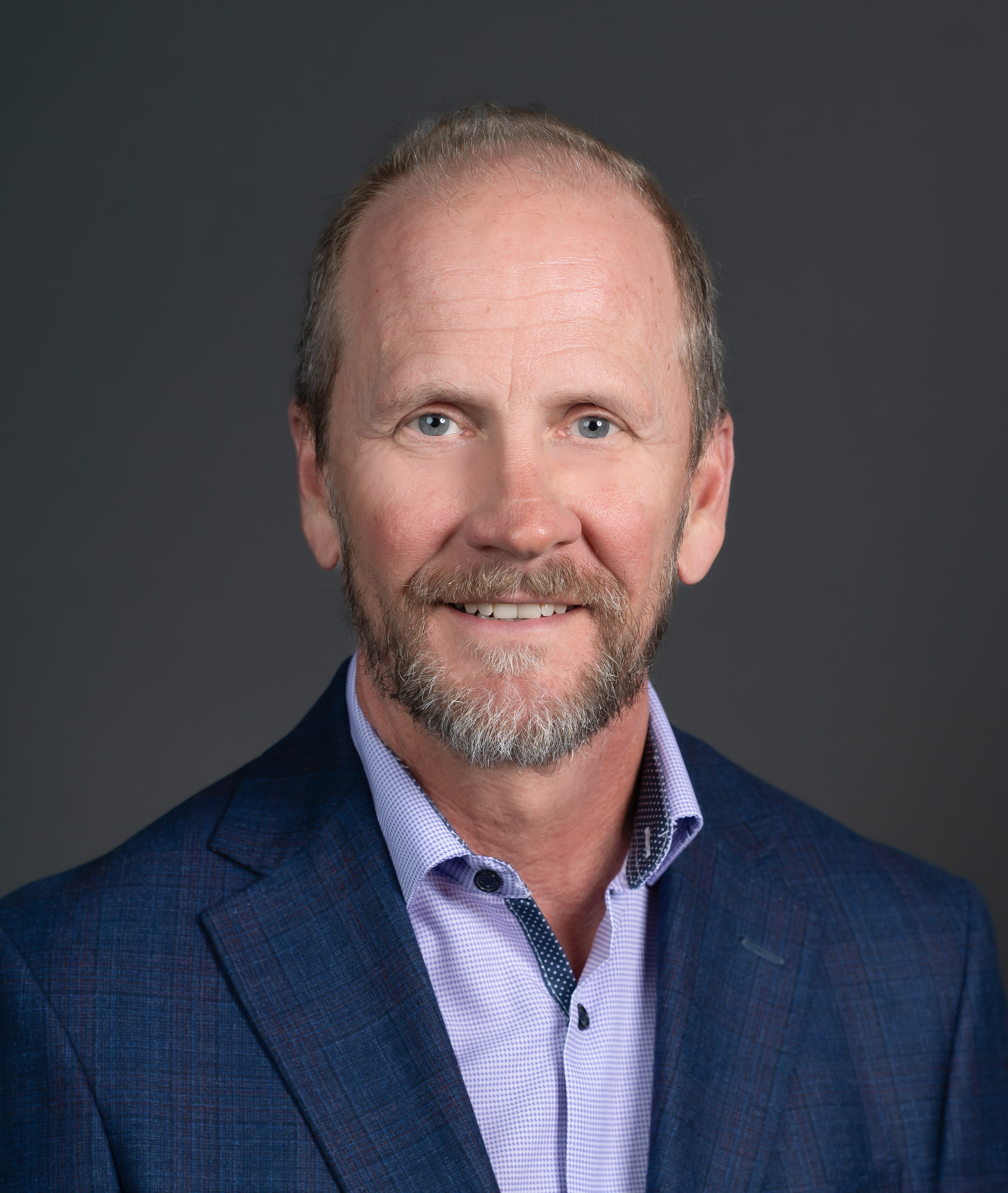
USAP’s Chief Clinical Officer is Dr. Kurt Jones, a cardiac anesthesiologist based in Orlando, Florida, where he has practiced since the late 1990s. In the conversation that follows, Dr. Jones discusses the forces reshaping his field: the demographic tide of aging Baby Boomers driving demand for surgical care; a technology collaboration with GE HealthCare to explore how artificial intelligence can be utilized in the operating room in real time; the patient benefits of a clinician-led practice and the unique “think tank” national quality committee that allows USAP’s best clinical minds to share breakthroughs across the entire enterprise.
Q: What does a Chief Clinical Officer do?
A: I spend a lot of my time speaking to anesthesia groups, hospitals, surgery centers and large health systems to help them understand the various options available to improve efficiency, surgical coverage, and the overall anesthesia experience. In addition, I act as a liaison between the front-line USAP clinicians and the executive and operational leadership of the company. Sometimes, especially with the smaller practices, clinicians may not feel like they have complete access to a certain function within the executive team. They absolutely do, and part of my job is to make sure they know that.
Q: How has the practice of anesthesia really evolved over the past 25 years, clinically and in terms of how it’s presented and distributed in the healthcare system?
A: Anesthesia has become more complex and decentralized. Let’s take an example of the procedures that we did in a large tertiary referral hospital when I started practice in the late 1990s. Things like total joints, laparoscopic surgeries, and spine surgeries were all done in a big hospital, and the patient stayed three or four days after the surgery. Fast forward to today. Just recently, one of the outpatient surgery centers covered by USAP clinicians did eight total joint replacements in one day, and every single one of those patients went home that day to sleep in their own bed and eat with their family.
Q: What is an example of an innovation that has led to improved patient outcomes?
A: Advances in anesthetic drugs, anesthetic monitoring, anesthetic techniques and specifically the opioid-sparing anesthesia that we use with peripheral nerve blocks allows us to do increasingly complicated procedures on increasingly sicker patients in the outpatient setting and send them home with great results.
Q: What are some of the trends you anticipate seeing over the next 10 years?
A: The demand for anesthesia services is not going to decrease in the next 10 years. The demographics of the Baby Boomers will dictate the number and the complexity of procedures more than any other factor. Baby Boomers are living longer and they’re in better health and more active for a longer period of time. One of the most frequent things we see in Florida, for instance, is pickleball injuries in patients over 70. It’s a brand-new category of orthopedic injuries that we didn’t see 10 years ago.
Q: Let’s talk about the innovations that AI will bring to anesthesia.
A: AI will dramatically change our profession. For example, how we evaluate patients and get them into the operating room sooner rather than later. Previously, these were all decisions that lived in the brain. We knew by looking at that patient over there that she is much more likely to need surgery in the next two or three hours than this individual right here with similar symptoms. The collaboration USAP has with GE Healthcare aims to take that knowledge out of the head of the anesthesiologist and teach AI to understand how anesthesiologists make those decisions. And, so, it allows patients to get surgery sooner, and in the operating room, allows interventions to occur, potentially quicker than they would have if we were just waiting to see how the monitors reflected the patient status. The AI may look at all the patient data coming in and give the anesthesiologist a 10- or 15-second heads up that something is likely to happen, versus you seeing it and then reacting.
Q: Talk a bit about the benefits of USAP’s clinician-led, local governance.
A: I’ve always thought the best model for an anesthesia group practice is for the clinicians to lead. The other piece that is critically important is local governance. We currently have numerous practices, all with multiple sites, and each geography is very different. The decisions that govern how you create your clinical teams, what scheduling and compensation you should employ, what contract terms you should have with a hospital or other care facility—-these are different based on local custom, requirements and dynamics. So, you can’t have a one-size-fits-all approach. That’s the benefit of the local, clinical governance model.
Q: As Chief Clinical Officer, you’re involved in USAP’s National Clinical Quality Committee, which you’ve described as something like a think tank. How does that work?
A: We formally meet once a month as a group, but the members of this committee communicate daily with each other and USAP’s other clinicians. The members in that group are not shy about sharing their thoughts after an unusual case or an unusual problem they had to address. In addition, clinicians can ask questions and you don’t have to wait a week for somebody to respond. Instead, you may end up with numerous responses to your question by lunchtime. We believe that patients benefit from this shared wisdom.
Q: Obviously, healthcare costs and reimbursements are headline topics, but talk about the services that USAP provides to patients that don’t have resources or insurance.
A: Our anesthesia teams never ask a patient about their ability to pay or insurance coverage. In fact, we never refuse service when a patient shows up. We take the best care of that patient you possibly can, regardless of their ability to pay. Last year, we covered the cost of 87,000 emergency and trauma cases, 8,000 charity cases and more than 220,000 baby deliveries.
Q: Wrapping up, let me ask: Why did you enter anesthesia, and, given all the changes to the profession you have detailed, would you recommend it as a career?
A: I wanted to know that what I did for a living helps make people’s lives better, and I know that. That’s one thing that has not changed across my career. And yes, I would absolutely recommend it as a career, either as an anesthesiologist, a Certified Registered Nurse Anesthetist or a Certified Anesthesiologist Assistant. The exploding demand for anesthesia clinicians means they have a big say over the anesthesia specialty they practice, the setting where they work and state they live in. There has been no better time to enter the field.
READ MORE
Tech Edge Live from RSA Conference 2026 with Qualys, AvePoint, SailPoint
Never Miss our Weekly Highlights HERE