By Exec Edge Editorial Staff
Health insurance premiums have climbed for years. Deductibles have climbed right along with them. Yet a growing number of American households are choosing neither, opting instead for a decades-old alternative, which is not health insurance, built around monthly contributions and community values.
“People are clearly paying high premiums now,” Liberty HealthShare Chief Executive Officer Dorsey Morrow said in a recent episode of “Becker’s Healthcare Podcast.” “And that’s before you even talk about deductibles and the out-of-pocket costs before the coverage kicks in.”
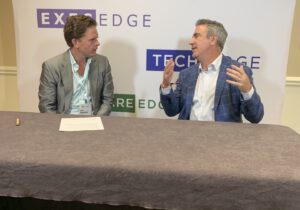
Morrow was answering a question from Becker’s Healthcare’s Brian Zimmerman about why a growing number of American families are stepping away from health insurance altogether. The episode carried a pointed title: “Community Over Coverage: Why More Americans Are Opting Out of Health Insurance.”
Morrow’s appearance landed at a moment when Liberty HealthShare, a healthcare sharing ministry based in Canton, Ohio, says it has posted 20 consecutive months of year-over-year enrollment growth. Twenty months places the start of that streak somewhere around late 2024, meaning the trend Morrow described on the podcast predates the episode itself by well over a year. He framed the pattern as evidence of a shift in how families evaluate healthcare costs. Many households, Morrow argued, have started asking more basic questions: what exactly are they paying for, and what happens when they actually need care?
The “Becker’s Healthcare Podcast” releases several short episodes each week built around interviews with hospital executives, health system leaders and, occasionally, the heads of organizations positioned as alternatives to health insurance. Morrow’s slot put him in that latter category, arguing a case aimed less at healthcare insiders and more at the households weighing whether to renew a health insurance policy or look elsewhere.
READ MORE

U.S. Anesthesia Partners Leads a Changing Industry by Preparing the Next Generation for the Future of Anesthesia
Making the Financial Case
Much of the conversation with Zimmerman centered on affordability, a subject Morrow has spent years framing around consumer control rather than corporate promises. Members who join a healthsharing ministry contribute a monthly amount that gets shared toward other members’ eligible medical expenses, an arrangement built on voluntary participation rather than a contractual guarantee. Morrow drew a distinction between that model and one where, in his telling, consumers often can’t say where their money goes once it leaves their paycheck.
That distinction, he suggested, is what draws people in. Families increasingly want to see the mechanics of how their healthcare dollars move, not just the price attached to a plan. It’s a demand for line-item accountability, not simply a demand for something cheaper.
Liberty HealthShare traces its history to 1995, giving Morrow three decades of operating history to point to when he argues that healthsharing can hold up as a durable option rather than a passing workaround for expensive premiums.
Transparency as a Selling Point
Morrow returned repeatedly to one word: transparency. He pointed to Liberty HealthShare’s practice of publishing its sharing guidelines, financial statements, tax filings, and audit reports for members and prospective members to review directly, rather than requiring them to take assurances on faith.
“Transparency is critical,” Morrow told Zimmerman. “I think we all need to expect that from whatever model we are utilizing.”
That framing extends beyond Morrow’s own comments. Liberty HealthShare holds an A+ rating from the Better Business Bureau, a distinction tied in part to public reporting practices similar to the ones Morrow described on the podcast.
Prevention as the Cheapest Option
Morrow also used the appearance to broaden the affordability argument past the question of how a medical bill gets paid, toward the earlier question of whether the bill gets generated at all.
“The most affordable healthcare event is the one that never happens,” Morrow said, according to a recap Liberty HealthShare posted on its own website. “Preventing a heart attack is just way better for everybody and less expensive than treating one.”
To listen to the full episode with Morrow, visit https://www.libertyhealthshare.org/blog/why-more-americans-are-exploring-alternatives-to-health-insurance-beckers-healthcare-podcast.
Never Miss our Weekly Highlights HERE
Contact:
Click HERE to follow us on LinkedIn