By Neal Grabarkewitz
Every September, a select group of physician residents and student nurse anesthetists gather in Austin for U.S. Anesthesia Partners’ Future Leaders in Anesthesia conference. This year, we rebuilt large parts of it. The reason comes down to a simple fact: the job these students are training for looks different than it did even three years ago, and the way we prepare them for it needs to change too.
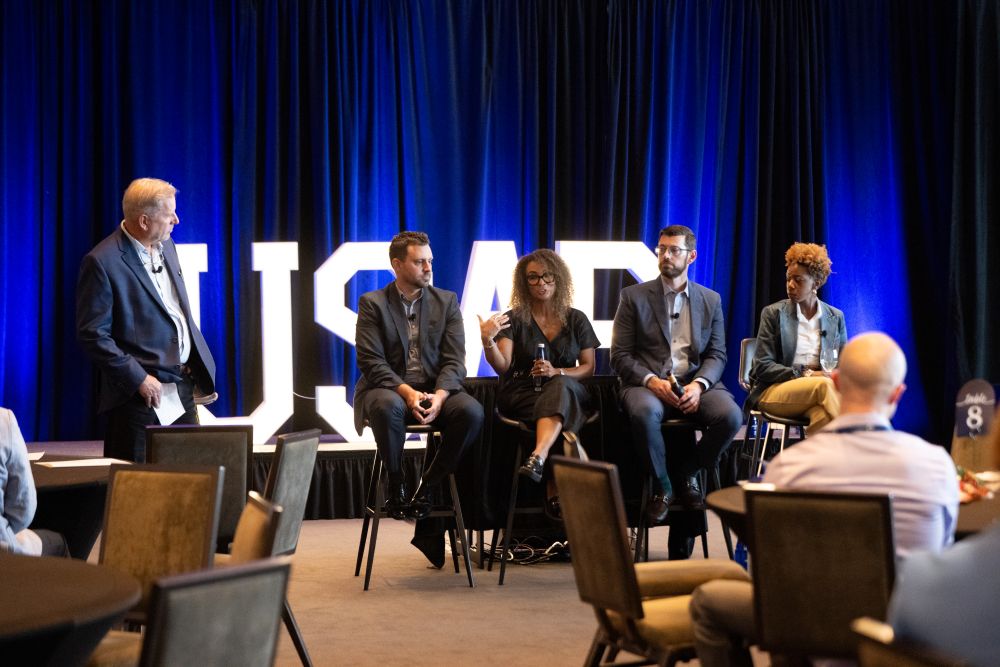
U.S. Anesthesia Partners clinicians leading the 2025 Future Leaders in Anesthesia Conference. (Courtesy U.S. Anesthesia Partners)
Start with what hasn’t changed, because it’s still the most misunderstood part of this profession.
During surgery, these clinicians continuously manage a patient’s airway, breathing, heart rate, and blood pressure, adjusting medication in real time as conditions shift. They regulate blood flow to the brain during procedures that could otherwise starve it of oxygen. They step into trauma and critical care, run advanced life support, and manage pain.
Anesthesia ranks among the safest fields in modern medicine precisely because someone is doing all of that, continuously, while everyone else in the room is focused on the surgery itself.
What has changed is the environment around that job. As of last year, the anesthesia job board GasWork counted more than 14,400 openings against roughly 125,000 full-time anesthesia clinician positions nationally. The share of U.S. medical facilities reporting anesthesia staffing shortages more than doubled between 2020 and late 2022.
More than a fifth of the current workforce is projected to reach retirement eligibility within less than a decade. At the same time, artificial intelligence is moving into the operating room faster than most training programs have caught up with, not as a replacement for clinical judgment, but as a tool that hands clinicians better information faster: machine learning that flags risk patterns before they become emergencies, computer vision that monitors the room itself, ambient listening tools that free up attention that used to go toward documentation.
Dr. Mo Azam, and our Executive Vice President of Health System Strategy & Innovation, Jeff Terry, wrote about these use cases last year, and the pace of adoption since then has only picked up.
Training the next generation for that combination, a demanding clinical job in a tightening labor market, alongside a set of tools that didn’t exist when most of their professors trained, is why this year’s FLA looks different.
We shortened the format. Sessions now run closer to a TED Talk than a traditional 45-minute lecture, built around content residents and SRNAs can actually apply once they’re in practice rather than material that stays theoretical. We added a dedicated track for CRNA program directors, giving them content built specifically for their role rather than treating them as chaperones. For the first time, we’re running a board prep session led by actual USAP board examiners, something residents have asked us for directly in past years.
We widened industry participation substantially, bringing in more pharmaceutical and industry partners than in any previous year. And we added USAP Cares, a new philanthropic component built around Pop-Up Birthday, an Austin nonprofit that gives foster children the birthday celebrations they’d otherwise miss, because leadership training should include something bigger than career mechanics.
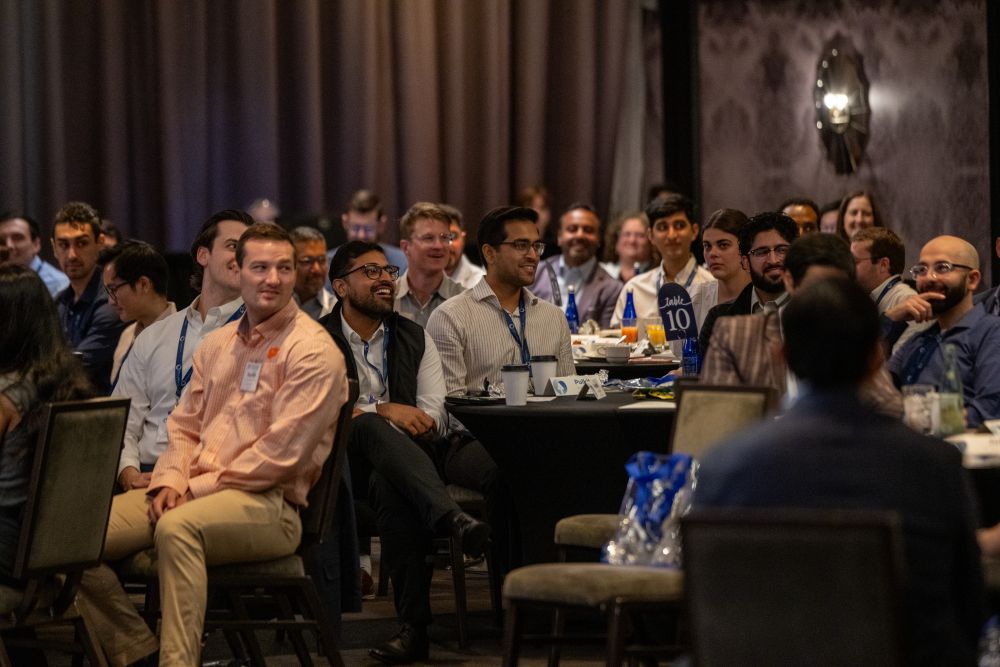
Student anesthesia clinicians at the 2025 Future Leaders in Anesthesia Conference. (Courtesy U.S. Anesthesia Partners.)
We’re also using this year’s conference as a launching point for original research. We’re running pre-conference focus groups to capture qualitative insight from attendees on where the industry is headed, and partnering with a CRNA-owned firm on a national survey of anesthesia students covering compensation, career motivations, and how they consume industry information. None of it is about USAP specifically. It’s about giving the field real data on what the next generation of clinicians actually wants, because right now, most of what gets published on this workforce is guesswork dressed up as insight.
None of this solves the underlying shortage by itself. That will take movement on reimbursement, training capacity, and the broader policy questions that shape how many new clinicians can enter the field each year. What a conference like FLA can do is make sure the clinicians who do enter it are ready for the job as it actually exists now, not the job as it existed when the curriculum was written.
Neal Grabarkewitz is Senior Vice President, Clinical Talent Acquisition & Innovative Workforce Solutions at U.S. Anesthesia Partners.